Curriculum


Parental Involvement

Parents, caregivers or homestay families are encouraged to support regular study habits and help keep their child on track with correspondence learning.

School Support

Christchurch North College will:

  • Provide a staff member to monitor student progress and submission frequency
  • Offer guidance and troubleshooting support if any issues arise during the course
  • Correspondence learning through Te Kura is a valuable opportunity for students to broaden their
  • learning while developing key skills in self-management, independence, and motivation.

NCEA is New Zealand’s main secondary school qualification and is earned by completing a range of subjects assessed through both internal (in-class) assessments and external exams. These assessments are made up of Achievement Standards and Unit Standards, each worth a set number of credits (usually between 2 and 6). Most subjects offer between 18–24 credits per year.

NCEA Credit Requirements

Level 1

  • 80 credits at Level 1 or above.
  • Must meet the NCEA Literacy and Numeracy Co-requisites, which are assessed through specific standards.

Level 2

  • 60 credits at Level 2 or above.
  • 20 credits from any level (can be carried over from Level 1).
  • Must have met the Literacy and Numeracy Co-requisites.

Level 3

  • 60 credits at Level 3 or above.
  • 20 credits from Level 2 or above.
  • Must have met the Literacy and Numeracy Co-requisites.
Common Assessment Activity CAA:

Twice a year, students from Year 10 and above will have the opportunity to sit the three Common Assessment Activities (CAAs) in order to gain literacy and numeracy. These are digital assessments run by NZQA and supervised by teachers.

University Entrance Requirements

To gain entry into a New Zealand university, students must meet the University Entrance (UE) standard, which is the minimum requirement for admission to a university degree programme.

To achieve University Entrance (UE), students must have:

  • 60 credits at NCEA Level 3 or above, including:
  • 14 credits in each of three approved Level 3 subjects (i.e. three separate subjects from the NZQA-
  • approved UE subject list)
  • 20 credits at Level 2 or above (These are usually carried over from Level 2)

University Entrance - Find out more information 

10 Numeracy credits at Level 1 or above (These may be earned through specific standards or via the NCEA Numeracy Co-requisite)

10 Literacy credits at Level 2 or above, made up of:

  • 5 credits in Reading
  • 5 credits in Writing (These must come from standards on the approved UE Literacy list)

Important: Meeting the University Entrance standard does not guarantee acceptance into all university programmes. Many courses have additional requirements, such as higher achievement in certain subjects, portfolio work, interviews, or specific prerequisite subjects. Students are strongly advised to check with individual universities or tertiary institutions for specific course entry requirements.

Course Selection Advice

To keep future study and career pathways open, students are encouraged to select a broad mix of subjects, including at least:

  • One Literacy-based or Social Science subject.
  • One Maths or Science subject.
University Entrance find out more information 

About University Entrance and minimum requirement to go from school to a New Zealand University

  • List of approved University Entrance subjects
  • Literacy requirements for University Entrance
  • Te Marautanga o Aotearoa University Entrance subjects
  • Entrance to overseas tertiary courses
Pathways to Careers at Christchurch North College

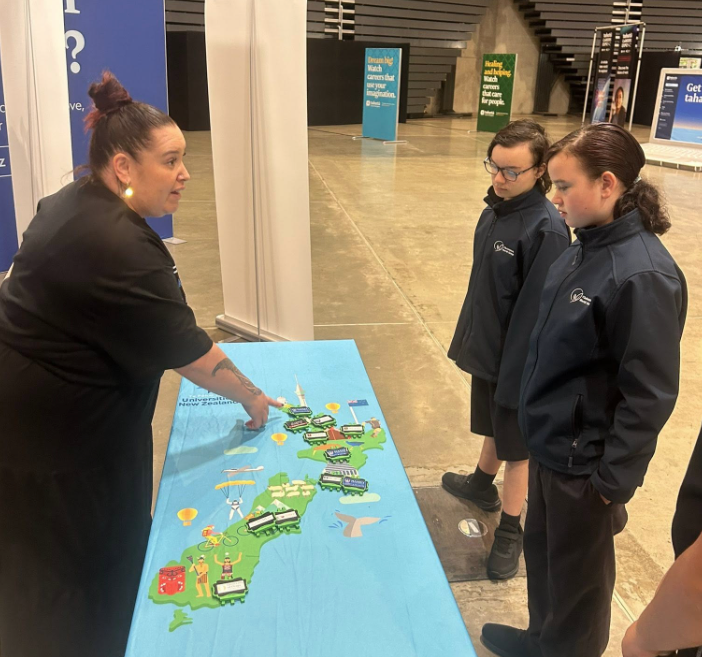
At Christchurch North College (CNC), our goal is to support every learner to achieve successful and meaningful educational outcomes. We recognise that success looks different for each individual, and we work closely with learners to develop clear pathways beyond school.

We support learners to move into a range of future opportunities, including university, trades, apprenticeships, and other tertiary study options. Through personalised learning plans and strong pastoral support, learners are guided to make informed decisions about their future.

​

Gateway Programme

As part of preparing learners for life beyond school, CNC offers opportunities to participate in the Gateway Programme.

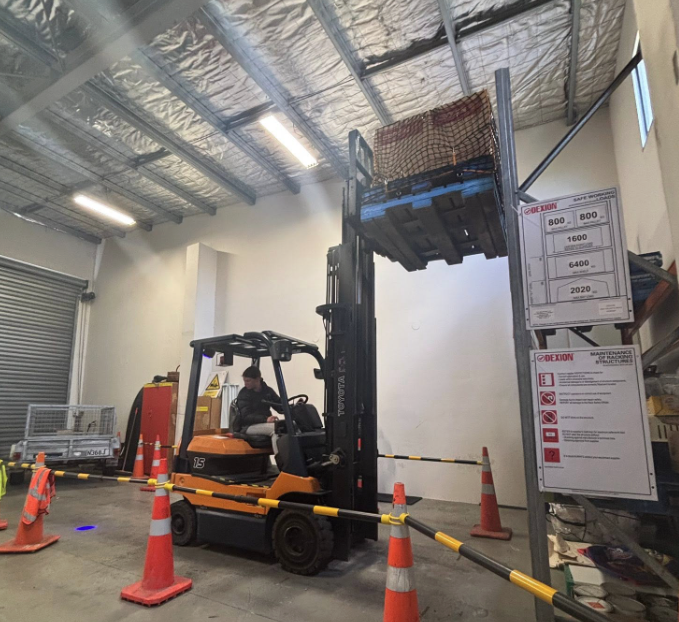
Gateway provides learners with the chance to gain real-world experience in a workplace while still supported by the school. In partnership with local employers, learners take part in structured, school-managed work-based learning placements that align with their interests and career goals.

These placements are part of the learner’s educational programme and are designed to support career exploration and skill development. They are not guaranteed to be paid employment.

Each learner works with the school and employer to develop an individual learning plan. This may include completing industry-based unit standards that contribute towards their NZQA Record of Achievement.

Gateway allows learners to “test drive” potential career pathways, helping them build confidence, develop practical skills, and better understand the world of work.

Benefits for Students

Learners involved in Gateway and career pathway programmes at CNC:

  • Gain real-life work experience in a supportive environment
  • Build confidence and independence
  • Develop industry-specific skills and knowledge
  • Make informed decisions about future career pathways
  • Contribute towards their NZQA qualifications
  • Build connections with employers and industry professionals

Employment and Work Rights

International learners may have the opportunity to engage in part-time employment while studying, depending on the conditions of their visa. It is important that learners understand and comply with these conditions at all times.

Learners who choose to work must be aware of their rights and responsibilities in the workplace. This includes the right to:

  • Receive at least the minimum wage (for paid employment)
  • Have a written employment agreement
  • Work in a safe and supportive environment

CNC encourages learners to seek guidance from the school before undertaking any employment to ensure it aligns with their visa conditions and wellbeing.

For more information about working in New Zealand, learners can visit NauMai NZ.

Working While Studying

International learners who are eligible to work in New Zealand must follow the conditions set by their visa and Immigration New Zealand.

In general:

  • Work hours and conditions depend on visa type and study level
  • Some learners may be able to work part-time during term time and full-time during scheduled holidays
  • Learners under 16 are generally not permitted to work
  • Learners aged 16–18 may require written permission from a parent/guardian and the school, depending on circumstances
  • A valid IRD number is required before starting any paid work

All learners must check their individual visa conditions before starting work and ensure they are compliant with New Zealand law.

For full and up-to-date information, learners should refer to Immigration New Zealand.

Looking Ahead

At Christchurch North College, pathways are about more than just qualifications—they are about confidence, direction, and opportunity. We support our students to take the next step, whether that is into further study, training, or employment, with the skills and self-belief to succeed.